| Bookmark Name | Actions |
|---|
Overview
Service Request microservice is an order management system that can capture different service requests that are raised by the customer in the Digital Retail Banking channels. Service Request microservice maintains the life cycle of all the service requests.
The service requests involve services such as New Cheque Book, Stop Payment Request, Dispute transactions, and Block Debit Card.
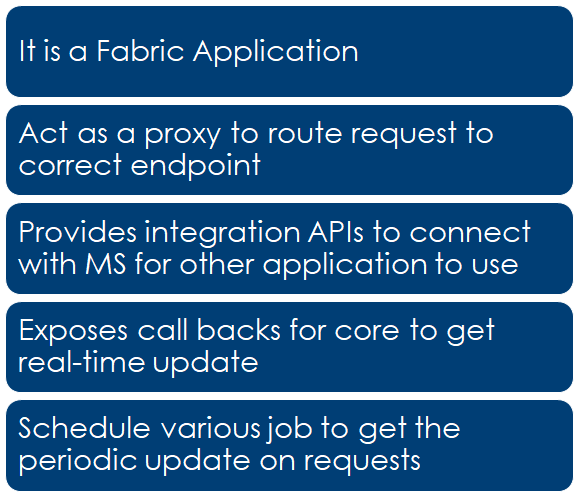
Banks may require different systems to process different types of service requests. The Service Request microservice integrates with multiple systems for processing.
Banks may request different styles of order processing for different types of service requests. The Service Request microservice supports the following types of Order Styles:
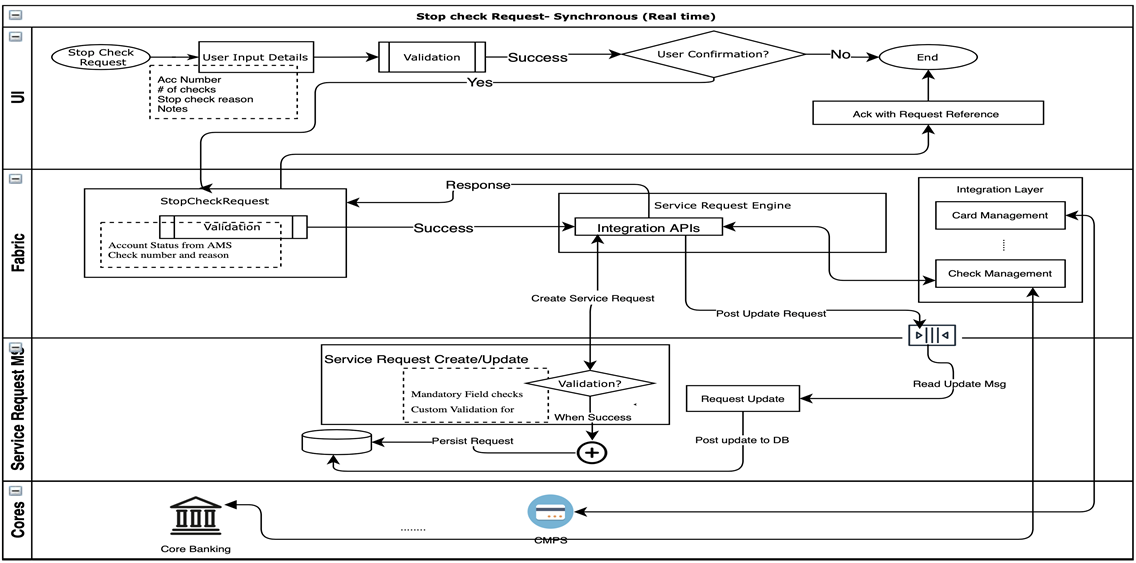
- Real-Time: When the user submits a service request from Online Banking, the order is captured in Service Request microservice and is instantly processed by the core system. The acknowledgment that is shown to the user is based on the response from the core system and the Service Request microservice.
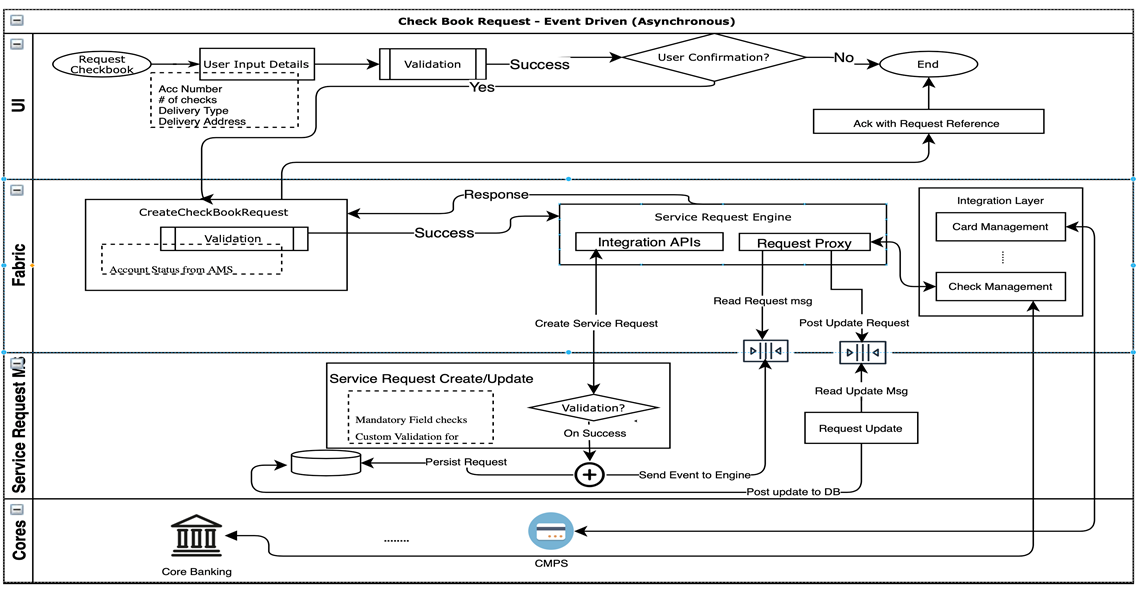
- Near-Time: When the user submits a service request from Online Banking, the order is captured in the Service Request microservice. The acknowledgment that is shown to the user is based on the response from the Service Request microservice. Subsequently, the request is passed to the core system for processing. The upcoming request status is updated to the user based on the response from the core system.
The key features of Service Request microservice are as follows:
- It captures the service request raised by the customer.
- It supports Real-Time and Near-Time processing styles.
- It integrates with multiple systems for processing.
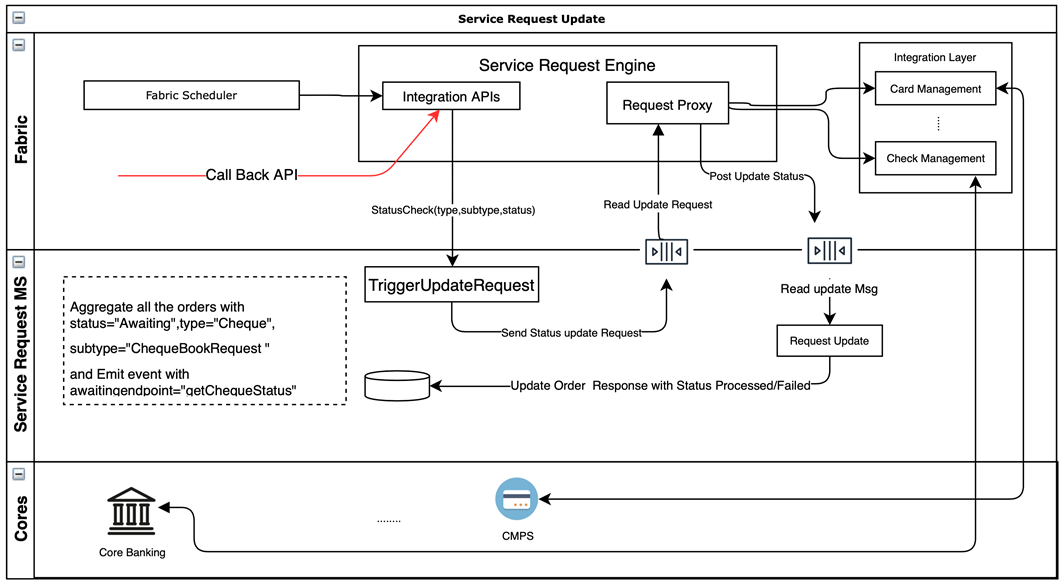
- It tracks the service request status.
The advantages of Service Request microservice are as follows.
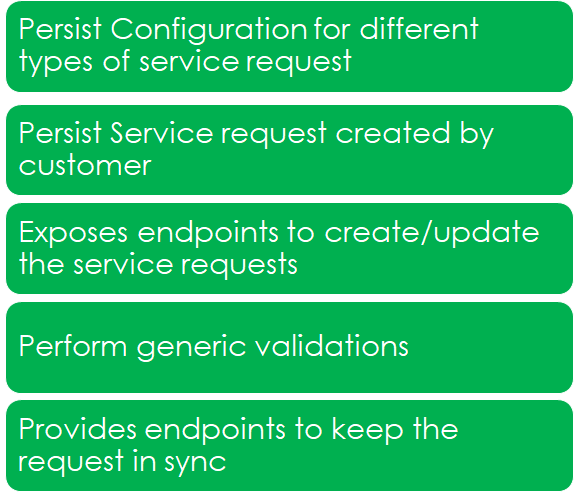
- To serve different types of service requests such as New Cheque Book, Change of Address or Contact Number, Bank Statement, and Interest Certificate, the Service Request microservice provides an abstraction from the core in Infinity.
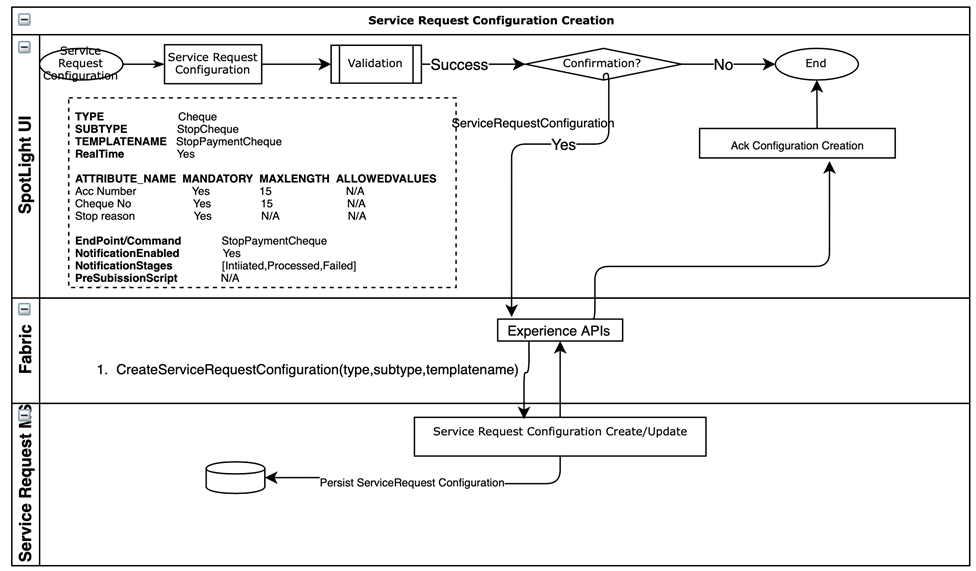
- It maintains the service request configuration that is supported by the system.
- It persists the service requests placed by the customer.
- It keeps the status of the service request updated.
- It supports real-time and near-time requests.
- It performs generic validation on the incoming request before the request is submitted to the core.
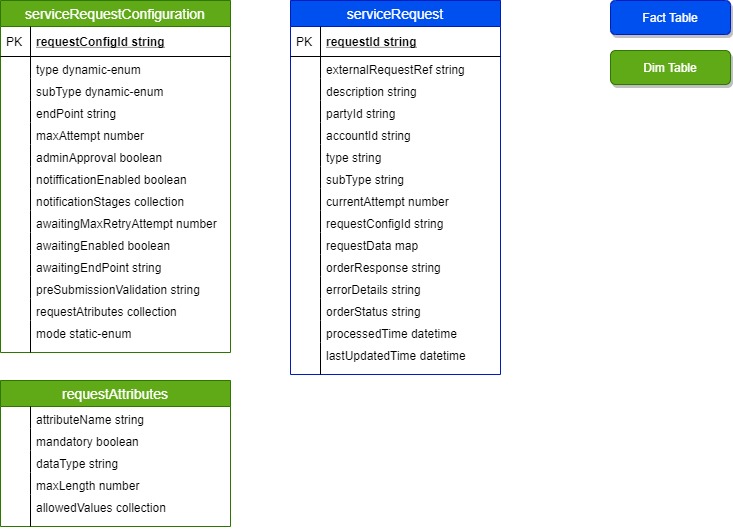
Data Model
 Technical Overview
- Service Request Microservice:

- Service Request Engine:

Add Bookmark
save your best linksView Bookmarks
Visit your best links BACK
BACK


Are you sure you want to log-off?